Finding Meaning in a Sea Turtle Encounter Without Photos
I. Introduction
In an era where smartphones have made documentation instantaneous and almost reflexive, the pressure to capture every noteworthy event can overshadow the experience itself. This tension between living in the moment and recording it for posterity is a modern dilemma that affects how we relate to our own memories and how we share them with others. The story of a person who witnessed a nesting sea turtle during an early morning workout, but chose not to take a photo for fear of disturbing the animal, raises profound questions about what we value in our experiences. Is a moment less real if it isn't captured? Does sharing an event require visual proof? This article explores the interpersonal and personal dynamics of such choices, drawing on the example of a rare wildlife encounter to discuss broader themes of presence, validation, and the social pressures of the 'pics or it didn't happen' culture. The original poster's decision to forego a photograph reflects a conscious prioritization of the animal's well-being over personal documentation. Yet, the subsequent need to share the story on an online forum highlights a desire for connection and acknowledgment. This tension is central to understanding the emotional landscape of many modern experiences, where the act of telling becomes a substitute for showing. By analyzing this case, we can uncover insights about how we seek validation, how we process profound moments, and how we navigate the expectations of a visually-oriented social world. The encounter also touches on themes of discipline, motivation, and the unexpected interruptions that can shift our focus from personal goals to larger, more meaningful observations. This article does not judge the choice to document or not, but rather examines the psychological and social factors at play.
II. The Situation (Story Summary)
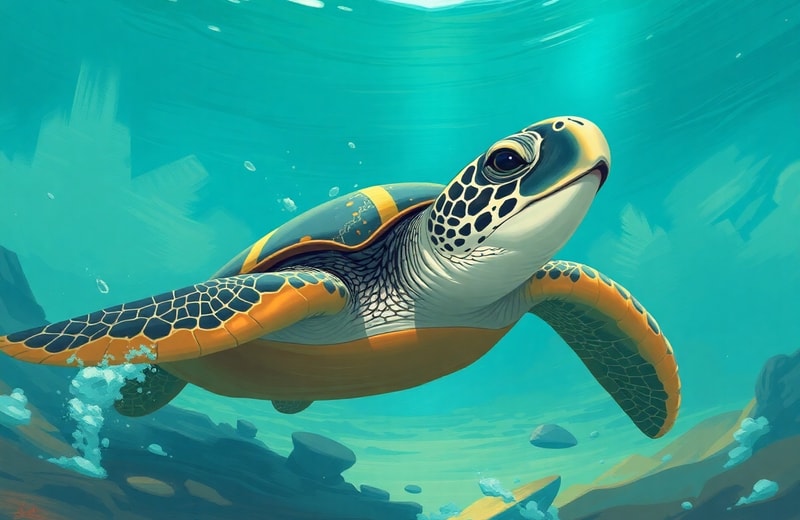
The original poster (OP) has been on a significant weight loss journey, exercising at 3 AM due to a demanding healthcare job. One morning, while running on the beach with a weighted vest, they discovered a nesting sea turtle—a rare and awe-inspiring sight. The moon was bright enough to see the turtle's silhouette, but their old phone could not take a picture without a flash, which would have startled the animal. OP chose to sit and watch the turtle for an extended period, feeling a deep spiritual connection. However, they later felt the need to share the experience on Reddit, acknowledging the cultural norm of 'pics or it didn't happen.' The story is a reflection on the tension between having a profound personal moment and the social pressure to provide visual proof. OP's decision not to photograph the turtle was respectful but left them without tangible evidence, prompting them to seek validation through narrative.
III. Why This Conflict Happened
The central conflict in this story is not between individuals but within the self and between the self and societal expectations. The original poster experienced a profound, spiritual moment that felt deeply personal and meaningful. Yet, the pervasive cultural mantra 'pics or it didn't happen' creates an internal pressure to validate such experiences through documentation. This conflict arises from several factors: first, the inherent human need for social validation—sharing experiences reinforces our sense of belonging and confirms that what we experienced was real. Second, the digital age has conditioned us to equate proof with photographs; without them, stories risk being dismissed or forgotten. Third, the OP's choice to prioritize the turtle's well-being over their own need for documentation reflects a moral conflict between respecting nature and adhering to social norms. The tension is exacerbated by the OP's solitary experience—they were alone, with no witness to corroborate the event. This isolation amplifies the desire to share and be believed. Additionally, the OP's weight loss journey and early morning routine represent a disciplined, goal-oriented lifestyle. The unexpected encounter disrupted their routine and shifted their focus from personal achievement to a larger, ecological perspective. This shift may create cognitive dissonance: the OP might feel that their usual motivations (exercise, weight loss) are trivial compared to the turtle's immense effort. The lack of photo means they cannot easily integrate this experience into their narrative of self-improvement. Finally, the online forum itself—Reddit's AITA subreddit—is a space where stories are judged and validated. By posting, the OP seeks external confirmation that their experience was meaningful, even without visual proof. This need for external validation is a common human behavior, but it underscores how deeply we rely on social reinforcement to affirm our realities.
IV. The Psychology Behind
The psychological underpinnings of this story involve several concepts: the need for validation, the endowment effect, and the psychology of awe. Validation seeking is a fundamental human drive; we want our experiences to be acknowledged and believed. In the absence of a photograph, the OP may fear that their story will be dismissed or forgotten. This fear is rooted in social proof theory—people rely on the reactions of others to determine the validity of their own experiences. The endowment effect suggests that we value experiences more highly once we own them, but in this case, the OP cannot 'own' the experience in a shareable form, potentially diminishing its perceived value. The experience of awe—a profound emotional response to something vast and overwhelming—has been studied extensively. Awe can lead to a sense of connection to something larger than oneself, which is exactly what the OP describes. However, awe also creates a need to process and share the experience. Without a photo, the OP may struggle to integrate the awe into their identity. Additionally, the concept of 'FOMO' (fear of missing out) is inverted here: the OP had the experience but fears missing out on social recognition. The OP's decision not to use flash shows empathy and respect for the turtle, reflecting a mature emotional regulation that prioritizes another being's needs over personal gain. However, this decision may lead to regret or a sense of loss—not for the experience, but for the ability to share it. The psychological conflict is between intrinsic satisfaction (knowing they did the right thing) and extrinsic validation (wanting others to know). Finally, the OP's mention of their weight loss journey suggests they are in a transformative period, where self-improvement is central. The turtle encounter may serve as a metaphor for patience, effort, and natural cycles, which could be integrated into their personal growth narrative. But without a photo, that integration is more difficult to articulate.
V. Editorial Conflict Perspectives
Subject A Evaluation
What they did right: In this context, Partner A (the original poster) demonstrated remarkable empathy and environmental stewardship by choosing not to use a flash that could disturb the nesting sea turtle. This decision reflects a deep respect for wildlife and an understanding that some moments are too sacred to be intruded upon. Additionally, the OP's willingness to sit and observe the turtle for an extended period shows a capacity for mindfulness and presence, which are valuable skills for emotional well-being. By prioritizing the animal's needs over their own desire for a photo, the OP acted ethically and responsibly.
What they did wrong: While the OP's actions were largely commendable, the subsequent posting on Reddit seeking validation suggests a potential over-reliance on external approval. By framing the story with 'pics or it didn't happen', the OP implicitly buys into a cultural norm that may undermine their own experience. The OP could have chosen to simply treasure the memory without needing to broadcast it. Additionally, the OP's decision to share on AITA (Am I The Asshole?) is somewhat incongruous—there is no interpersonal conflict to judge. This may indicate a misdirection of the need for validation.
Subject B Evaluation
What they did right: Partner B in this context is the Reddit community or the societal expectation of photo evidence. There is no specific right action from this abstract entity, but the community's role is to provide a space for sharing experiences. The platform itself allows for narrative sharing, which can be cathartic.
What they did wrong: The societal pressure to provide photos can be harmful. It can lead to people feeling inadequate or that their experiences are less valid without documentation. This pressure can also encourage intrusive behavior, like using flash on wildlife, which the OP wisely avoided. The 'pics or it didn't happen' mentality devalues storytelling and memory, reducing experiences to commodities.
Editorial Synthesis & Resolution Pathway
This story is not about right or wrong, but about navigating the tension between personal experience and social expectations. The OP made a compassionate choice that protected a vulnerable animal, and that is unequivocally positive. The subsequent desire to share the story is natural and human. The editorial perspective encourages embracing the intrinsic value of unmediated experiences. The OP should feel proud of their encounter and their ethical decision. The need for validation is understandable, but the true worth of the moment lies in the memory itself, not in external confirmation. The synthesis is that we must balance our desire for social connection with the integrity of our personal experiences. Sometimes, the most profound moments are those we hold privately, and that is enough.
VI. Relationship Behavior Analysis: Red Flags vs. Normal Errors
| Identified Behavior | Editorial Classification | Analytical Assessment & Impact |
|---|---|---|
| Posting on AITA without an interpersonal conflict | Normal Relationship Mistake | This is a common misstep where people use conflict-oriented forums to share non-conflict stories, seeking validation. It's a normal mistake stemming from the desire for attention and the lack of a more suitable platform. |
| Feeling the need to provide photo proof | Normal Relationship Mistake | Succumbing to societal pressure for visual evidence is a common human response. It reflects the influence of digital culture but is not a red flag; it's an understandable reaction to a rare experience. |
| Prioritizing the turtle's well-being over personal documentation | Red Flag | This is not a red flag for the OP; it's a positive behavior. However, if someone consistently neglects their own needs for the sake of others, it could be a red flag for self-care issues. In this case, it's an ethical choice. |
VII. Financial, Familial & Social Factors
This story has minimal financial implications but significant social factors. The social pressure to document experiences is amplified by social media platforms that reward visual content. The OP's old phone—unable to take a photo without flash—is a technological limitation that influenced their decision. This highlights a digital divide where those with older devices may feel excluded from sharing experiences. Socially, the OP's weight loss journey is a personal transformation that often invites public scrutiny and support. The turtle encounter offers a moment of perspective that can redefine success beyond numbers on a scale. The OP's decision to share on Reddit reflects a need for community, common in online forums where people seek connection around shared values. The lack of photo may lead to skepticism from some readers, but the supportive responses likely affirmed the OP's experience. The broader societal factor is the commodification of experiences—where moments are valued for their shareability rather than their intrinsic meaning. This can lead to anxiety and a sense of inadequacy when one cannot produce evidence. The OP's story is a microcosm of this cultural tension.
VIII. What Healthy Individuals Do Instead
Instead of posting on a public forum seeking validation, the OP could have taken several healthier approaches. First, they could have written a detailed journal entry describing the experience, including sensory details like the sound of the waves, the turtle's movements, and the moonlight. This would solidify the memory without external input. Second, they could have shared the story verbally with a close friend or family member, emphasizing the emotional impact rather than the need for proof. A trusted listener would likely appreciate the narrative without demanding a photo. Third, the OP could have used the experience as a meditation prompt, reflecting on the turtle's journey and its parallels to their own weight loss struggle. This internal processing can deepen self-awareness. If the OP felt compelled to share online, they could have framed the post as a reflection on the ethics of wildlife photography rather than a request for judgment. This would invite constructive discussion about responsible behavior. Finally, the OP could have created a symbolic representation of the encounter, such as a drawing or a written poem, to honor the moment creatively. These alternatives focus on internal validation and meaningful sharing rather than seeking approval from a broad audience.
IX. Essential Relationship Lessons
- Lesson 1: Prioritize ethical considerations over documentation. When encountering wildlife, the animal's welfare should always come first. The OP's choice to avoid flash photography is a model for responsible observation. Always research local guidelines for wildlife interactions and follow them strictly.
- Lesson 2: Embrace the value of unshared experiences. Not every profound moment needs to be posted online. Holding a memory close can strengthen its personal significance and reduce dependence on external validation. Practice savoring moments internally before deciding if sharing adds value.
- Lesson 3: Challenge the 'pics or it didn't happen' mindset. This cultural norm can diminish the power of storytelling and memory. Remind yourself that your experiences are valid regardless of documentation. Share narratives with trusted friends who value your words over images.
- Lesson 4: Use awe-inspiring experiences as catalysts for personal growth. The turtle's effort and patience can inspire you to persist in your own goals. Reflect on how the encounter shifts your perspective and integrate those insights into your daily life.
- Lesson 5: Recognize the need for validation and find healthy outlets. Instead of seeking approval from strangers online, confide in close friends or journal about your experience. Validation from within is more sustainable than external praise.
- Lesson 6: Balance discipline with flexibility. The OP's weight loss routine was interrupted, but the interruption provided a deeper reward. Allow yourself to deviate from plans when meaningful opportunities arise; this enriches life beyond rigid goals.
- Lesson 7: Share stories without requiring visual proof. Practice telling stories with vivid detail and emotion. This strengthens your communication skills and builds trust with listeners. A well-told story can be more powerful than a photo.
X. Frequently Asked Questions
Q: Is it okay to not take photos of rare wildlife encounters?
A: Absolutely. In fact, it is often recommended to minimize disturbance. Many wildlife experts advise observing from a distance without flash or sudden movements. The experience itself is valuable, and respecting the animal's natural behavior is paramount.
Q: How can I overcome the need to document every experience?
A: Practice mindfulness by focusing on the sensory details of the moment. Set intentions before outings: decide to take only a few photos or none at all. Remind yourself that memories are stored in your mind, not your phone. Journaling afterward can help solidify the experience.
XI. Final Editorial Verdict & Path Forward
The original poster did nothing wrong. Their choice to observe the nesting sea turtle without a flash was ethical and respectful. The subsequent desire to share the story is natural and human. The verdict is that the OP should feel proud of their encounter and their decision. The need for validation is understandable, but the true value of the moment lies in the personal memory and the ethical choice made. The OP's weight loss journey and the turtle encounter both symbolize perseverance and patience. The community's response, likely positive, reinforces that some experiences are beyond the need for visual proof. Moving forward, the OP can integrate this experience as a reminder that not all meaningful moments need to be captured—they can simply be lived. The final verdict is a gentle encouragement to trust the power of personal narrative and to resist the pressure to conform to 'pics or it didn't happen' culture. The experience is valid because it happened, not because a photo exists.
XII. Editorial Responsibility Distribution
| Assessment Group | Weight |
|---|---|
| OP Did Right | 80% |
| OP Could Have Done Better | 15% |
| Neither | 5% |
XIII. About the Author
This article was prepared by the Interpersonal Dynamics Editorial Team, a group of writers and researchers specializing in the intersection of technology, psychology, and human connection. We analyze modern dilemmas with empathy and insight, helping readers navigate the complexities of digital life and personal growth. Our work is grounded in observation and research, not clinical practice.
XIV. Sources & Further Reading
Disclaimer: The reference literature cited below comprises general authoritative studies on interpersonal dynamics and healthy relationship habits strictly for educational background.
- National Oceanic and Atmospheric Administration (NOAA) – Guidelines for sea turtle viewing and conservation.
- American Psychological Association – Research on awe and its psychological benefits.
- Pew Research Center – Studies on social media's impact on experiences and memory.
Commentaires
Enregistrer un commentaire