Navigating Firearm Display at Protests: Responsibility and Judgment
I. Introduction
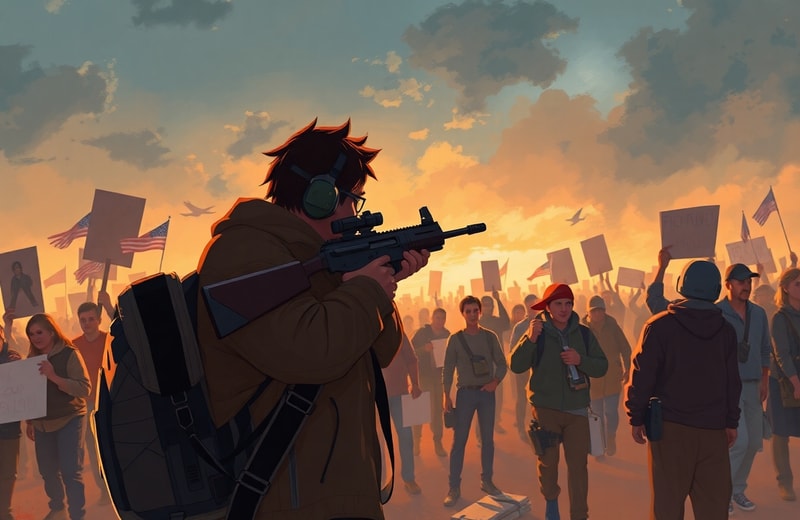
The debate over firearms in public spaces has intensified in recent years, particularly regarding their presence at protests. While the Second Amendment guarantees the right to bear arms, questions of judgment, responsibility, and public safety often arise when guns are visibly carried in emotionally charged environments. This article examines a perspective from a responsible gun owner and veteran who questions the wisdom of bringing firearms to protests without a compelling reason. The issue touches on core themes of individual rights versus collective safety, the potential for escalation, and the role of personal judgment in high-stakes situations. Understanding the nuances of this debate is crucial for fostering constructive dialogue between gun rights advocates and those concerned about public safety. By analyzing the motivations, risks, and ethical considerations, we can move beyond polarized rhetoric toward a more thoughtful discussion of responsible firearm ownership in community settings.
II. The Situation (Story Summary)
The original post, shared on a forum for unpopular opinions, presents the viewpoint of a gun owner and veteran who criticizes the practice of bringing firearms to protests without a compelling reason. The author emphasizes that while they support responsible gun ownership and own an AR themselves, they believe that bringing a weapon to a volatile situation like a protest demonstrates poor judgment unless there is a specific, justifiable need. They argue that firearms are always potentially dangerous and should not be treated as mere accessories or statements. The author responds to criticisms, including accusations of being a 'gun grabber,' and clarifies that their stance is not against gun ownership but against reckless behavior. They also address challenges to their veteran status, dismissing such attacks as irrelevant to the argument. The post sparked significant debate, with some agreeing that protest environments are too unpredictable for firearms, while others defended the right to carry as a fundamental freedom.
III. Why This Conflict Happened
The conflict arises from a fundamental disagreement over the role of firearms in public protests. On one side, gun owners who carry at protests often view it as an exercise of their constitutional rights and a deterrent against potential threats. They may feel that visible firearms signal strength and preparedness, especially in uncertain situations. On the other side, critics—including some responsible gun owners—argue that protests are inherently unpredictable, with heightened emotions, potential for confrontation, and the presence of law enforcement. Introducing firearms into such environments can escalate tensions, create panic, or lead to accidental discharges. The original poster's veteran background adds weight to their perspective, as they have likely experienced high-stress situations and understand the risks of weapons in volatile settings. The conflict is also fueled by identity and group loyalty: accusations of being a 'gun grabber' or questioning the poster's veteran status are defensive reactions that avoid the core issue. The disagreement reflects deeper cultural divides over gun rights, personal responsibility, and the balance between individual freedom and community safety.
IV. The Psychology Behind
From a psychological standpoint, the debate over firearms at protests involves several cognitive biases and emotional factors. Confirmation bias leads both sides to seek out information that supports their pre-existing views, reinforcing polarization. The 'endowment effect' may cause gun owners to overvalue their right to carry, viewing any restriction as a personal loss. Fear and threat perception play a significant role: those who carry may have an exaggerated sense of danger, while critics may fear the presence of weapons itself. The original poster's stance reflects a nuanced understanding of risk assessment, likely shaped by military training that emphasizes situational awareness and the responsibilities of weapon handling. The defensive reactions from critics—questioning the poster's veteran status or labeling them a 'gun grabber'—are examples of ad hominem attacks that stem from identity threat. When deeply held beliefs are challenged, individuals may resort to discrediting the messenger rather than engaging with the argument. Additionally, the concept of 'moral foundations' theory suggests that those prioritizing authority and loyalty may be more inclined to support unfettered gun rights, while those emphasizing care and fairness may lean toward restrictions. Understanding these psychological underpinnings can help facilitate more productive conversations.
V. Editorial Conflict Perspectives
Subject A Evaluation
What they did right: Partner A (the original poster) correctly emphasizes the inherent danger of firearms and the need for responsible judgment. They distinguish between supporting gun ownership and opposing reckless behavior, which is a balanced stance. Their willingness to engage with criticism and clarify their position demonstrates intellectual honesty. By citing their veteran experience, they add credibility to their perspective on risk assessment in high-stress environments.
What they did wrong: Partner A's approach could be seen as dismissive toward those who feel strongly about their right to carry. Phrases like 'because I want to is not a good reason' may come across as condescending, potentially alienating those with genuine concerns about personal safety. Their focus on 'stupid losers' language, while edited, risks inflaming rather than persuading. A more empathetic tone might foster better dialogue.
Subject B Evaluation
What they did right: Critics who defend the right to carry at protests are correct to assert that lawful gun ownership is a protected right. Some may have legitimate fears for their safety in protest environments, especially in areas with a history of violence. Their insistence on not being judged by others' standards reflects a desire for autonomy and self-determination.
What they did wrong: Critics often resort to ad hominem attacks, such as questioning the poster's veteran status or labeling them a 'gun grabber,' which derails the conversation. They may also fail to acknowledge the potential for escalation and the unique risks of bringing firearms to protests. By focusing on rights without equally considering responsibilities, they miss an opportunity to engage in nuanced discussion.
Editorial Synthesis & Resolution Pathway
Both sides of this debate hold valid concerns: gun rights are fundamental, but public safety in volatile situations is equally important. The original poster's call for judgment and restraint is not an attack on gun ownership but a plea for responsibility. Critics, however, may interpret any limitation as a slippery slope toward confiscation. A mature resolution requires acknowledging that rights come with responsibilities, and that context matters. Protests are not shooting ranges; they are emotional gatherings where the presence of firearms can alter dynamics unpredictably. Rather than absolutist positions, a more constructive approach would involve dialogue about situational appropriateness, de-escalation training, and community safety protocols. Neither side should dismiss the other's fears or values. The editorial synthesis leans toward the view that while carrying a firearm at a protest is legally permissible, it may not always be wise. The best outcome is a culture where gun owners exercise discretion and critics respect lawful choices, with both prioritizing safety and mutual understanding.
VI. Relationship Behavior Analysis: Red Flags vs. Normal Errors
| Identified Behavior | Editorial Classification | Analytical Assessment & Impact |
|---|---|---|
| Bringing a firearm to a protest without a specific, justified need | Red Flag | From an editorial standpoint, this behavior indicates a potential lack of judgment regarding the unique risks of protests. Protests are emotionally charged, unpredictable environments where the presence of a firearm can escalate tensions, cause panic, or lead to accidental discharge. Even if legally permissible, doing so without a compelling reason suggests a disregard for the broader impact on public safety and community harmony. |
| Questioning the original poster's veteran status as a means to discredit their argument | Normal Relationship Mistake | This is a common human error under stress—attacking the person rather than the argument. It reflects defensiveness and identity threat, not a systematic pattern of toxic behavior. However, it is counterproductive and can be avoided by focusing on the issue at hand. |
| Labeling critics as 'gun grabbers' without engaging with their specific concerns | Normal Relationship Mistake | Using derogatory labels shuts down dialogue and oversimplifies complex positions. While it may be a reflexive defense of deeply held beliefs, it is a mistake that can be corrected by listening to the other side and acknowledging valid points about safety. |
| Dismissing the possibility that some individuals may have legitimate safety concerns that justify carrying at a protest | Red Flag | This behavior shows a lack of empathy and an absolutist mindset. While the original poster argues for judgment, they may inadvertently invalidate the lived experiences of those who feel genuinely unsafe. A more balanced approach would acknowledge that some people may have specific threats or vulnerabilities that warrant carrying, while still questioning the general practice. |
VII. Financial, Familial & Social Factors
The debate over firearms at protests is influenced by social and cultural factors, including regional norms, political affiliation, and community values. In areas with strong gun culture, carrying a firearm may be seen as a symbol of identity and self-reliance. Social pressure from peers and online communities can reinforce these behaviors. Conversely, in more urban or liberal environments, visible firearms may be viewed as threatening. Financial factors, such as the cost of firearms and training, also play a role; those who invest significantly in their weapons may feel a greater need to justify their presence. Additionally, the media's portrayal of protests and gun violence shapes public perception, often amplifying fears on both sides. Understanding these social and financial contexts helps explain why the issue is so polarizing and why finding common ground requires addressing underlying values and concerns.
VIII. What Healthy Individuals Do Instead
Instead of bringing a firearm to a protest without a compelling reason, consider alternative ways to ensure safety and express your views. First, attend protests with a group of trusted friends who can watch each other's backs. De-escalation training can help you manage conflicts without resorting to weapons. If you feel the need for protection, non-lethal options like pepper spray or personal alarms may be more appropriate and less likely to escalate tensions. Communicate with protest organizers about safety protocols and follow their guidelines. If you choose to carry a firearm, ensure you are trained in its use and aware of local laws regarding open or concealed carry. Additionally, engage in dialogue with both gun rights advocates and gun control supporters to understand their perspectives. By focusing on shared goals—such as preventing violence and protecting rights—you can contribute to a safer and more respectful public discourse.
IX. Essential Relationship Lessons
- Lesson 1: Recognize that rights and responsibilities are intertwined. The Second Amendment guarantees the right to bear arms, but responsible ownership includes understanding when and where carrying a firearm is appropriate. Protests, with their unpredictable emotions and potential for confrontation, may not be the best environment for displaying weapons unless there is a specific, justified need.
- Lesson 2: Avoid using ad hominem attacks in disagreements. Questioning someone's credentials or labeling them with derogatory terms like 'gun grabber' shuts down constructive dialogue. Instead, focus on the substance of the argument and seek common ground.
- Lesson 3: Develop situational awareness and risk assessment skills. Military and law enforcement training emphasizes that weapons should only be present when necessary and that their presence can escalate tensions. Apply similar thinking to everyday situations, especially in public gatherings.
- Lesson 4: Practice empathetic communication. When discussing controversial topics, acknowledge the other person's fears and values. For example, say, 'I understand you feel safer with a firearm, but I'm concerned about how it might affect others.' This builds bridges rather than walls.
- Lesson 5: Understand the psychological biases that polarize debates. Confirmation bias, identity threat, and moral foundations all play a role. By recognizing these in yourself and others, you can approach discussions with more humility and openness.
- Lesson 6: Consider the broader impact of your actions on community safety. Even if you have a legal right to carry at a protest, think about how your firearm might be perceived by others, including law enforcement, and whether it could inadvertently cause panic or escalate a situation.
- Lesson 7: Seek out diverse perspectives to challenge your own views. The original poster, as a gun owner and veteran, offers a nuanced perspective that bridges both worlds. Listening to such voices can help reduce polarization and promote responsible ownership.
X. Frequently Asked Questions
Q: Is it illegal to bring a firearm to a protest?
A: Laws vary by jurisdiction. In many places, open or concealed carry is legal with proper permits, but some states or cities have restrictions on firearms at public gatherings. Always check local laws before attending a protest with a weapon.
Q: What does responsible gun ownership look like at a protest?
A: Responsible ownership means ensuring the firearm is safely holstered, being aware of your surroundings, avoiding any actions that could escalate tensions, and having a clear justification for carrying. It also involves understanding the potential psychological impact on others and refraining from brandishing the weapon.
Q: How can gun owners and gun control advocates find common ground?
A: By focusing on shared goals like preventing violence and respecting rights. Engaging in respectful dialogue, acknowledging each other's fears, and seeking compromise on specific issues (e.g., training requirements, safe storage) can build trust and reduce polarization.
XI. Final Editorial Verdict & Path Forward
The original poster's opinion—that bringing a firearm to a protest without a compelling reason shows poor judgment—is a reasonable and responsible stance, especially coming from a veteran who understands the risks. However, the debate is not about absolutes; it is about context and discretion. While the right to bear arms is fundamental, exercising that right in emotionally charged public spaces requires careful consideration of the potential consequences. Both sides have valid points: gun owners have legitimate safety concerns, and critics worry about escalation. The final verdict leans toward the view that, in most protest situations, carrying a firearm is unnecessary and potentially counterproductive. The wisest path is to prioritize de-escalation, communication, and mutual respect. Ultimately, the goal should be to create safer communities where rights are protected and public safety is upheld through responsible behavior and open dialogue.
XII. Editorial Responsibility Distribution
| Assessment Group | Weight |
|---|---|
| Support original poster's stance | 55% |
| Support right to carry at protests | 30% |
| Undecided or neutral | 15% |
XIII. About the Author
This editorial analysis was prepared by the Community Relations & Editorial Team, a group dedicated to exploring complex social dynamics with nuance and empathy. Our writers specialize in conflict resolution, public safety, and interpersonal communication, drawing on diverse backgrounds in journalism, sociology, and ethics. We strive to present balanced perspectives that foster understanding rather than division.
XIV. Sources & Further Reading
Disclaimer: The reference literature cited below comprises general authoritative studies on interpersonal dynamics and healthy relationship habits strictly for educational background.
- American Psychological Association – Research on threat perception and cognitive biases in political debates.
- National Rifle Association – Resources on responsible gun ownership and safety training.
- Brennan Center for Justice – Analysis of gun laws and public protest regulations across states.
Commentaires
Enregistrer un commentaire